Omni Avatar
The open identity layer for multi-game worlds. One avatar. Infinite worlds.
The problem
Digital identity is fragmented across platforms. Every game has its own avatar system. Nothing persists across engines. No shared inventory or progress, no way for players to take their identity from one game to the next.
Players lose their identity every time they switch games. Communities lose value the moment people leave the closed ecosystem they were assembled in.
The model we flipped
Omni Avatar is a single avatar identity layer that works across engines and across games. Identity lives in a neutral JSON profile owned by the user. Games request the profile and rebuild the avatar natively in their engine. No external runtime dependencies inside the game. Drop-in for any supported engine.
- Modular avatar architecture: heads, torsos, arms, legs and costumes that recombine
- Unified data format: JSON identity profile + avatar assembly
- External identity companion web app
- Cross-game achievements + reward layer
How it worked end-to-end
- User logs in to the Omni Avatar web app and unlocks modular avatar parts tied to supported community IP partnerships.
- User customizes their avatar; configuration saved as a neutral JSON identity profile.
- Player joins a supported game — Roblox first, then UEFN, Unreal, Unity. Game requests JSON. Avatar is rebuilt natively inside the engine.
- Achievements earned in the game are sent as generic events, signed by Omni Avatar, forwarded to the user. The user can claim them privately.
Real-time MVP overview
The walkthrough below is the actual MVP, captured from the live Omni Avatar site. Identity profile, modular avatar configuration, and the cross-engine bridge in motion.
AI character pipeline
The AI character production layer originally built inside Omni Avatar: a live face turns into a game-ready 3D head with rig-ready topology. It now lives as its own standalone micro-project so the technique can travel beyond the Omni Avatar context.
See the AI Face Generation micro-projectBy the numbers
The four key product features
Modular Avatar System
Game-ready asset pipeline producing heads, torsos, arms, legs, backpacks, helmets and costumes that recombine across universes.
External IP indexing + modular part binding
Supported community IPs can be mapped to avatar parts without locking the system to a single platform.
Drop-in engine integration
Games only talk to JSON identity profiles. No external runtime dependencies inside the engine.
Cross-Game Achievement & Reward Layer
Gameplay in any integrated game can unlock items in the broader Omni Avatar ecosystem.
Funding history
Initial seed funding covered the first six months of development. After hitting milestones and showing traction, we secured a second six months on top. Roughly a year of runway in total.
When we went after expansion funding to launch a production-ready MVP, we put two proposals through the funding committee. The first was a feeler to pull community feedback and check direction. It was declined, but the feedback was useful. The second one folded that feedback in, sharpened the pitch, and answered the objections head-on. It was also declined — by then the ecosystem had moved off cross-game identity as a priority.
Both rejections told us something real. We rebranded after the second one and put Omni Avatar on hold rather than burn what runway we had left against a thesis the ecosystem was no longer voting for.
My role
Founder and CEO. I set product vision, closed the seed funding round, and hired the team. I drove the modular 3D avatar pipeline myself — the same pipeline thinking I bring to game-studio work. Ran partnership conversations with external IP communities and the technical integration with Roblox as the first supported engine. When the expansion-funding path closed, I made the call to rebrand and pause rather than chase momentum that wasn’t there.
Why it paused, honestly
We reached MVP, delivered on two milestones, and built real technical traction. By the time we needed expansion capital to launch the production MVP, the broader market had already turned away from cross-game identity as a priority. Two expansion submissions confirmed it.
The technical work is sound. The pipeline I built for it is the same one I use across other 3D production work today. And the founder/operator experience (raising, delivering, building partnerships, taking rejections in stride, and choosing to pause cleanly instead of burning through goodwill) is what I bring into any team I join next.
Modular asset gallery
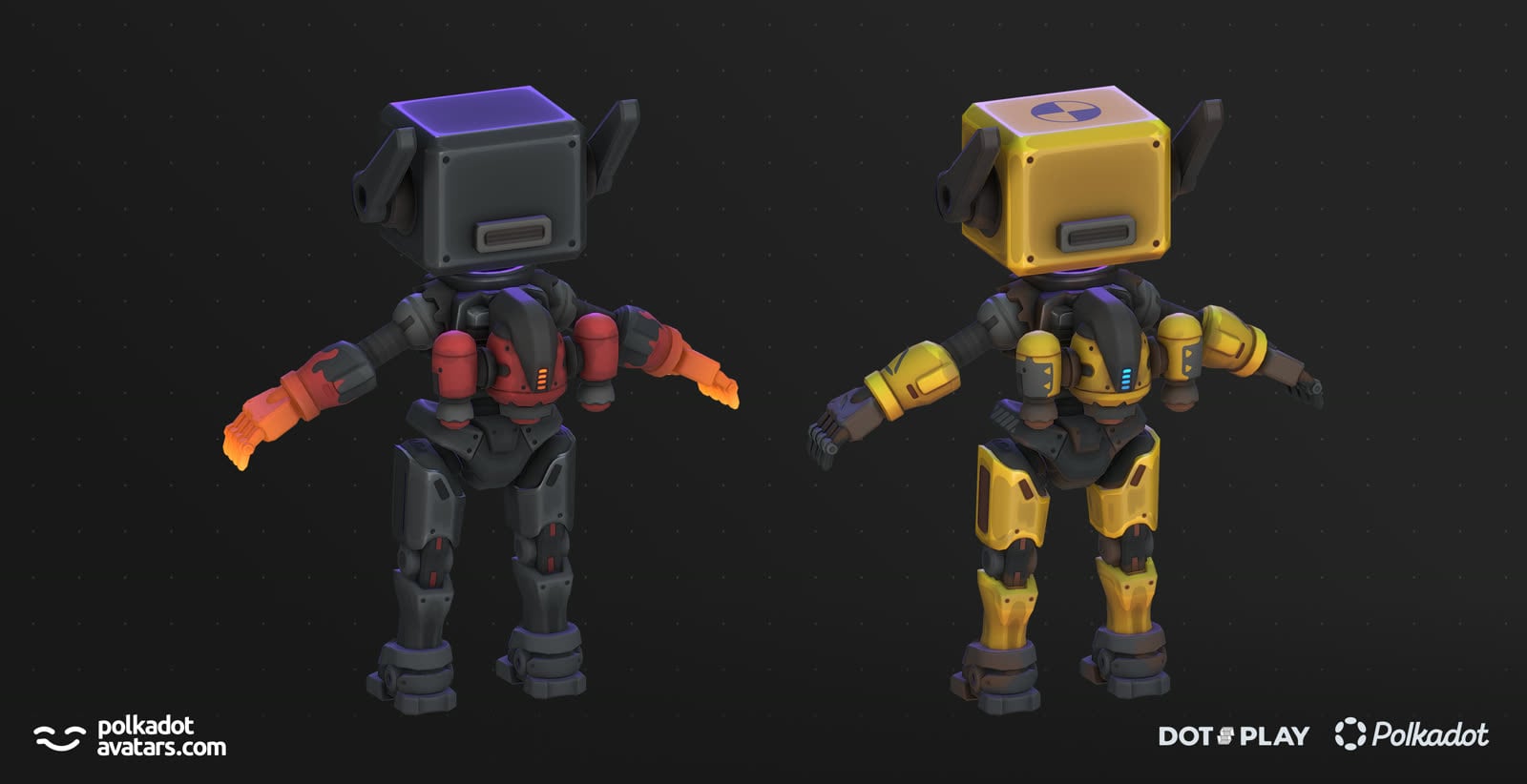
A selection of modular avatar assemblies produced through the Omni Avatar pipeline. Heads, torsos, arms, hands, legs and back-mounted accessories. Each is its own mesh, swappable independently, with shared UV space across the kit so retexturing scales linearly, not multiplicatively.
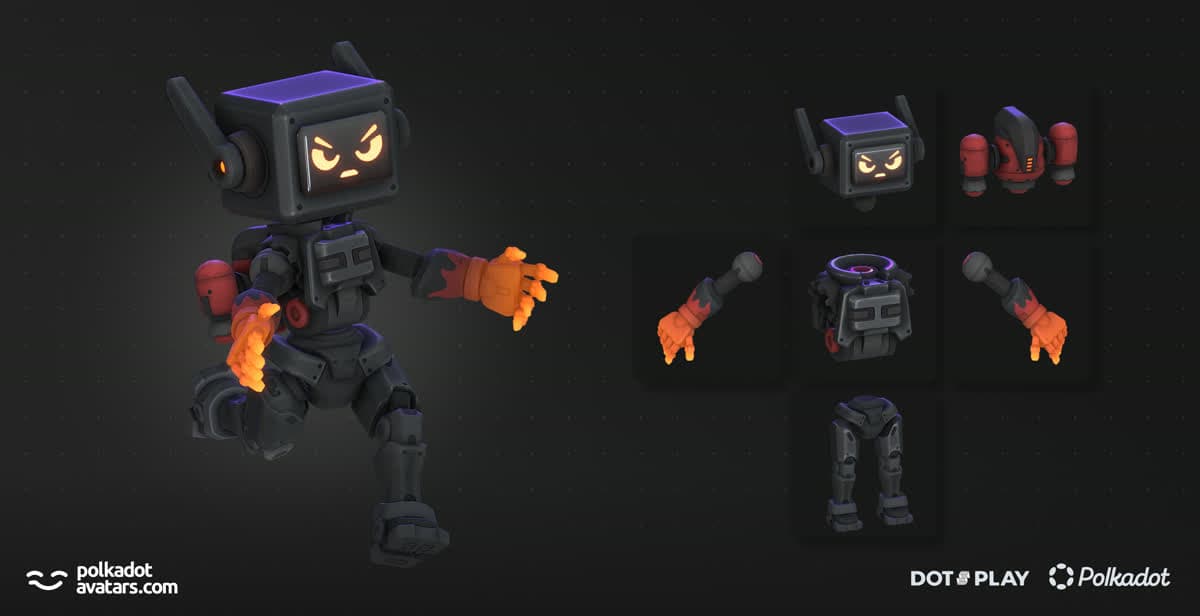
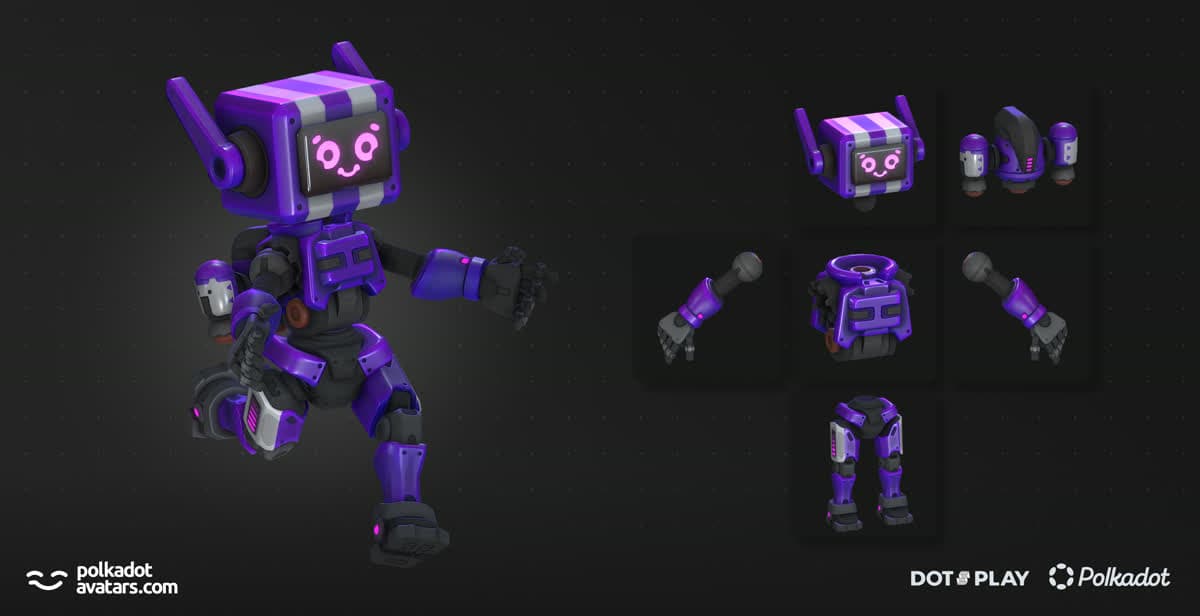
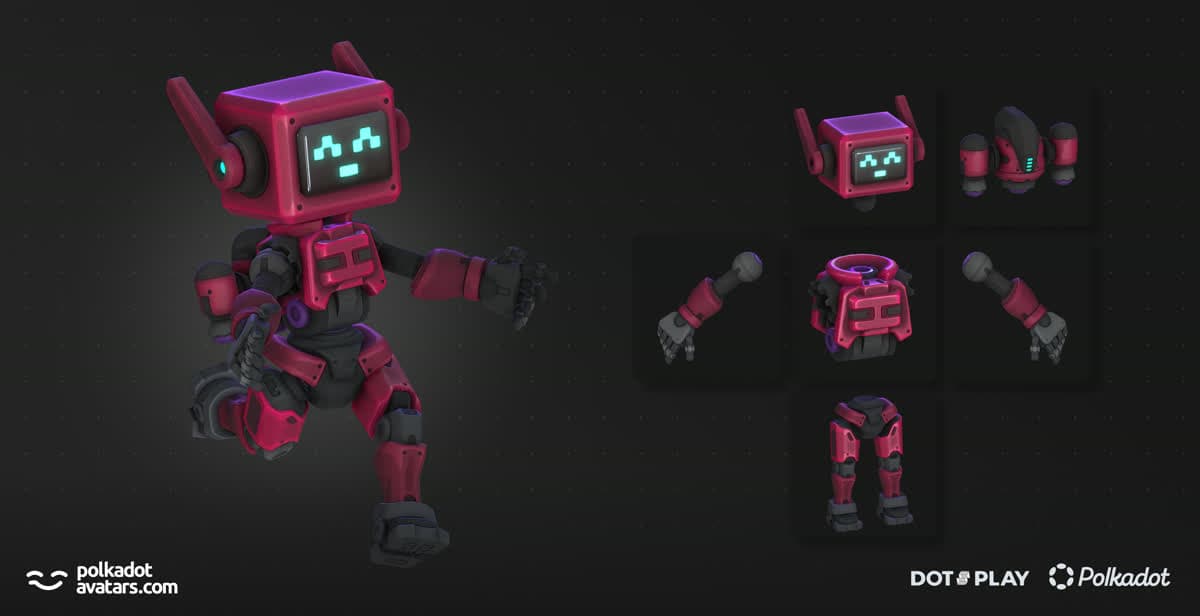
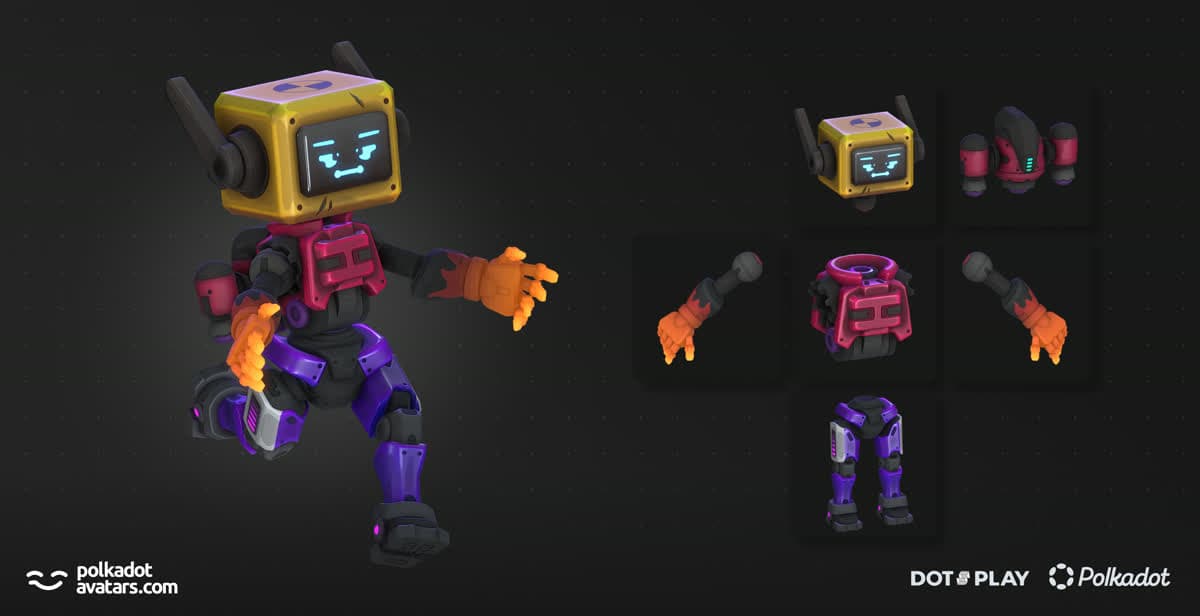
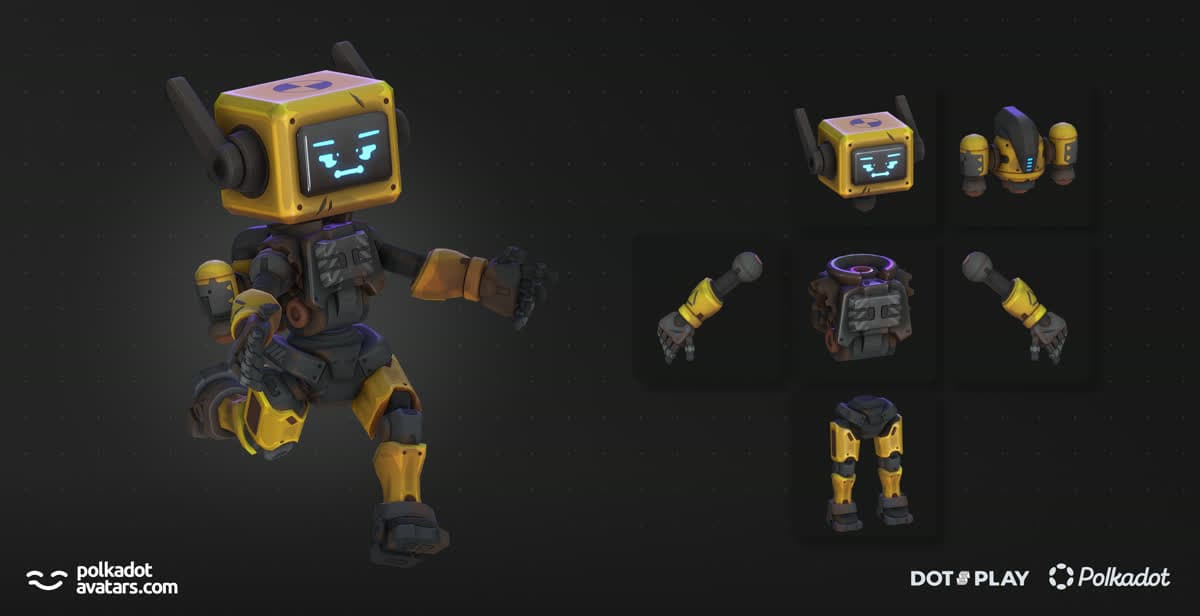
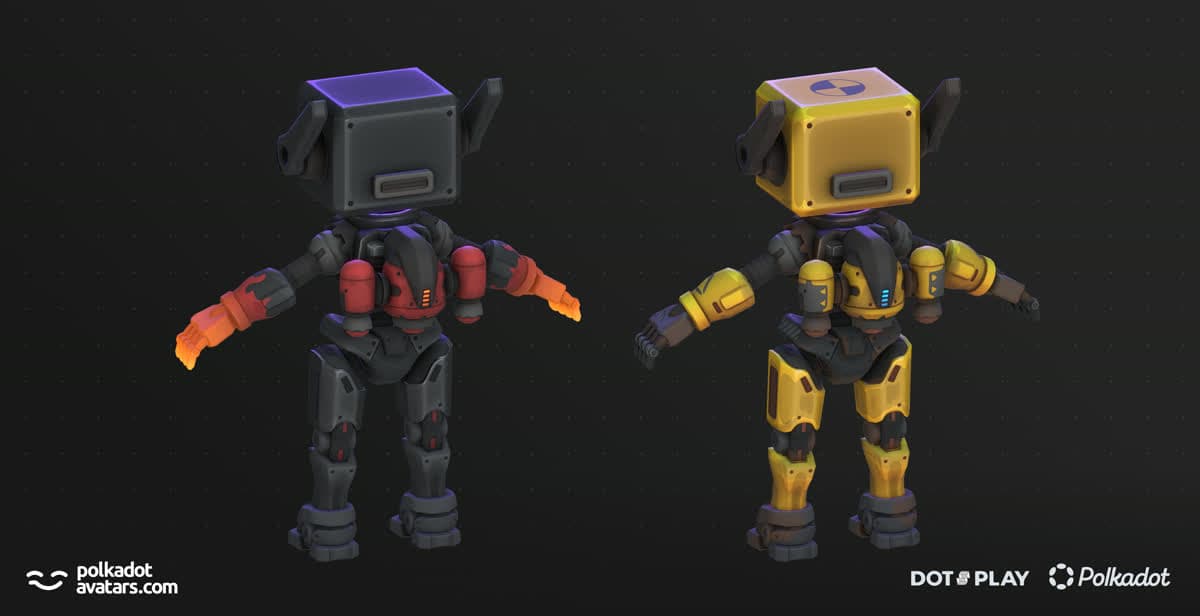
Modular asset renders
18 images · click to expandFinal renders of the modular pieces (heads, torsos, accessories) that the production system ships with.
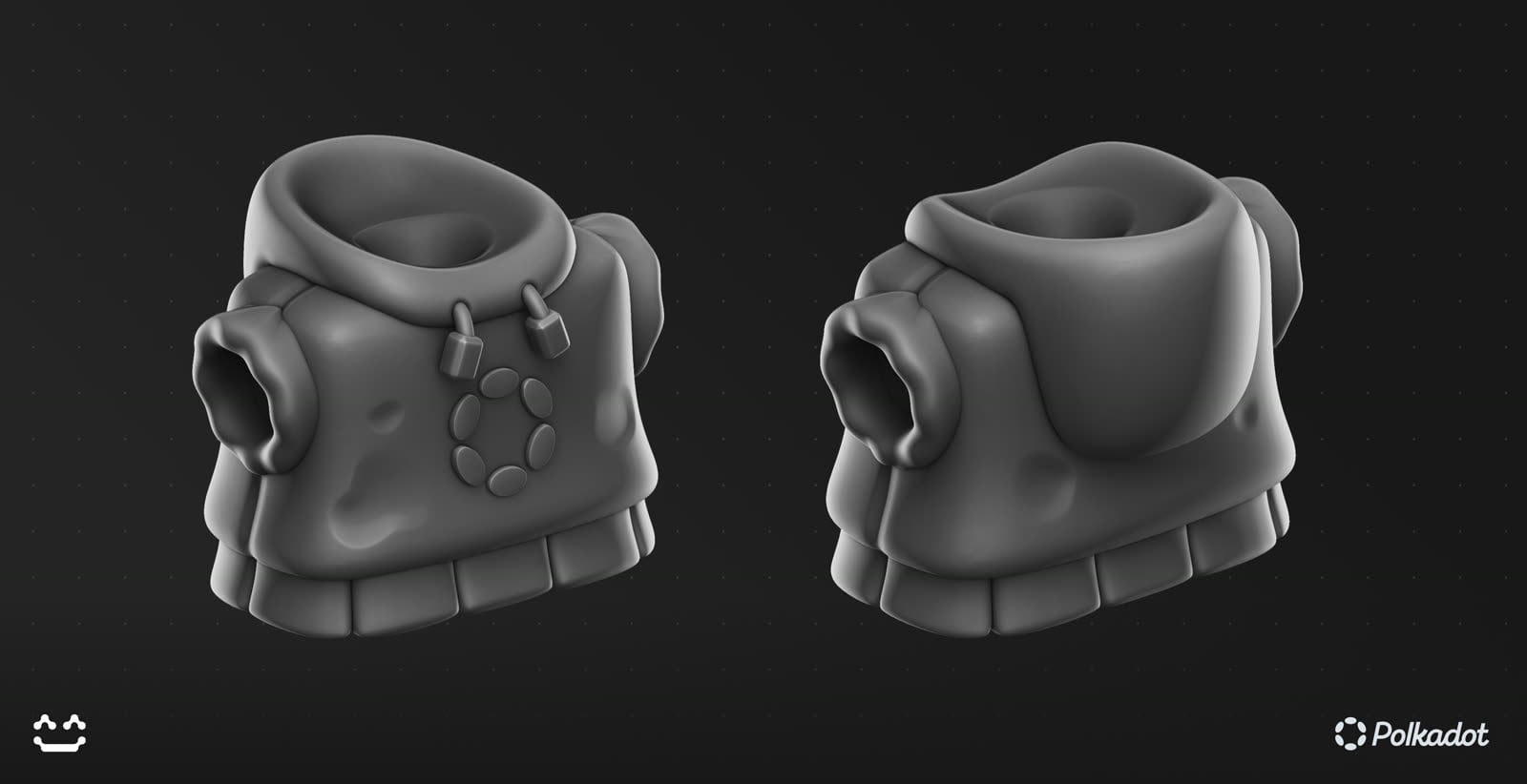
Sculpting process
24 imagesSculpts behind the modular system. The topology and silhouette decisions that feed into the production-ready assemblies.
What this demonstrates
- Full product ownership: vision, raise, hire, ship, pause
- Cross-engine 3D pipeline thinking under commercial constraints
- Comfort across Roblox, UEFN/Unreal, and Unity as integration targets
- Strategic and commercial judgment, not just craft
- Building, raising, partnering, and walking away cleanly when the call is right