Hire · Compare
Hiring a Solo 3D Specialist vs an Outsourcing Studio
Short version
A studio wins when you need a lot of content across many disciplines at once and someone else to manage it. A solo specialist wins when the scope is defined, the pipeline needs an owner, and you want one person accountable end to end. If you're stuck between them, the deciding question is usually whether your bottleneck is volume or pipeline.
At a glance
| Solo specialist | Outsourcing studio | |
|---|---|---|
| Point of contact | One person — you talk directly to whoever does the work. | An account or project manager sits between you and the artists. |
| Pipeline ownership | Builds and owns the pipeline; it stays in your repo afterward. | Usually their internal pipeline — you get assets, not always the system. |
| Cost structure | One salary or rate, no agency margin on top. | Per-asset or retainer, with overhead and margin baked in. |
| Speed on a focused scope | Fast — nothing lost in hand-offs or re-briefing. | Slower to start, then steady once the brief is locked. |
| Parallel throughput | Bounded by one person's hours. | Scales — many artists working at once. |
| Discipline coverage | Deep in a few areas, not all of them. | Broad — modeling, animation, VFX, audio under one roof. |
| Best when | Scope is defined, the pipeline needs an owner, work is embedded in your team. | High volume across many disciplines and you want it all managed. |
A check marks where one option tends to have the edge — not a verdict. The right call depends on your situation.
What actually separates them
The real question: volume or pipeline?
Most of this decision comes down to one thing. If your problem is raw output — hundreds of assets across modeling, animation, VFX and audio, all needed at once — a studio's parallel headcount is hard to beat. If your problem is that assets keep needing re-optimization, the pipeline has no owner, or quality drifts between people, then more hands won't fix it. That's a systems problem, and a solo specialist who owns the pipeline solves it more directly than a vendor delivering finished assets.
What the margin pays for
A studio rate carries overhead a single hire doesn't: account management, redundancy, a bench of artists you can scale into. That's worth paying for when you need it. When you don't — when the scope fits one person — you're paying margin for capacity you aren't using. A solo rate is one number with nothing layered on top.
Where hand-offs cost you
With a studio, your intent travels through a brief, a project manager, and then to whoever picks up the task. On a tight or evolving scope, detail leaks at each step and revisions cost a round-trip. Talking straight to the person doing the work removes those steps — useful when the spec is still moving or the work needs to sit close to your team.
When a studio is simply the right call
If throughput is the constraint — a content pipeline that needs dozens of assets a week, or several disciplines running in parallel — one person can't match that, and pretending otherwise wastes your time. A studio also gives you redundancy: if someone's out, the work continues. When that matters more than having a single owner, hire the studio.
Go with a solo specialist if
- The scope is defined and realistically fits one person.
- Your bottleneck is the pipeline, not raw headcount.
- You want the system to live in-house after the work ships.
- You'd rather talk straight to the person doing the work.
Go with an outsourcing studio if
- You need a large volume of content produced in parallel.
- You need several disciplines at once — animation, VFX, audio.
- You'd rather manage one vendor than several hires.
- Redundancy matters more to you than a single accountable owner.
Where I fit
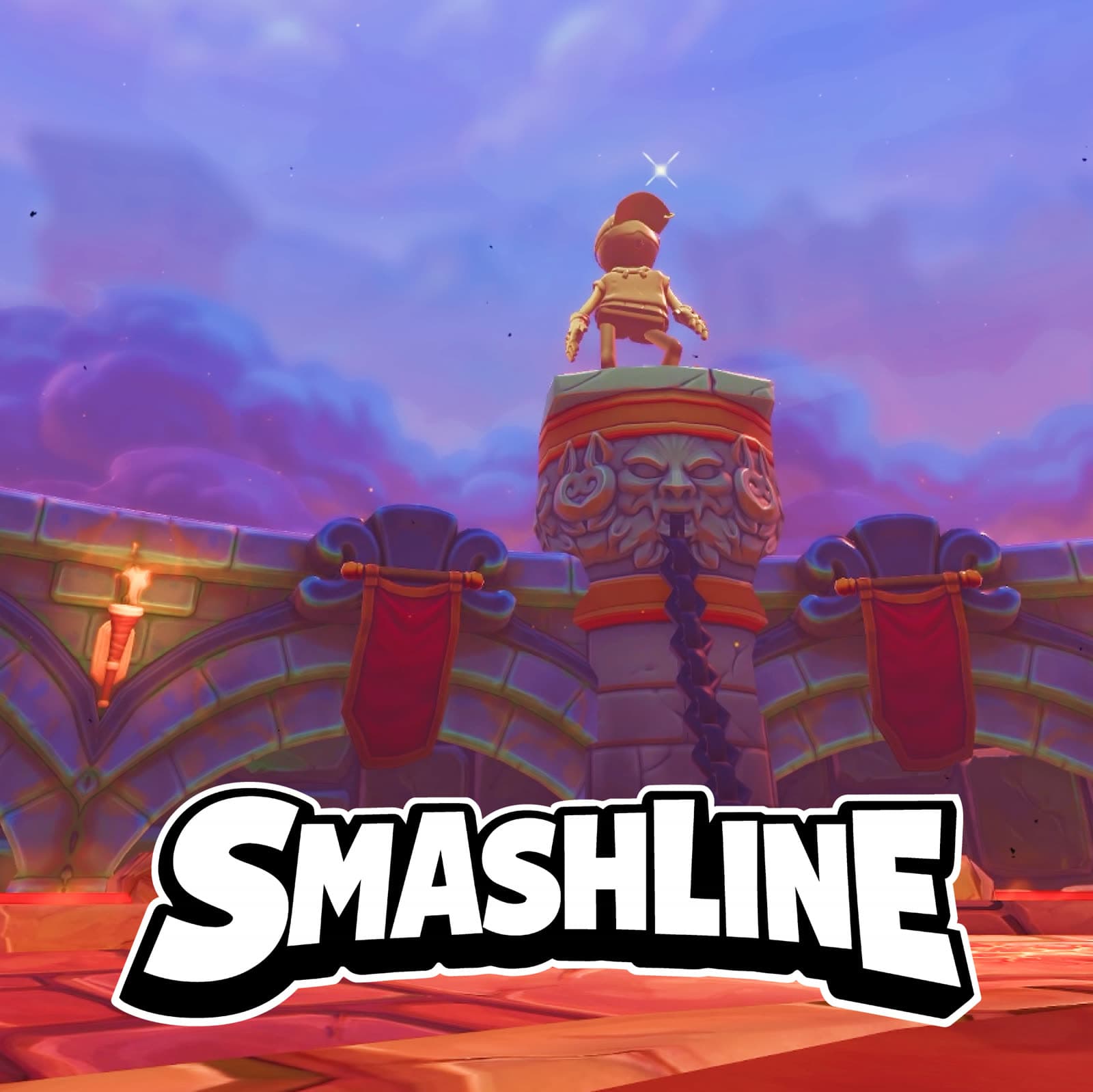
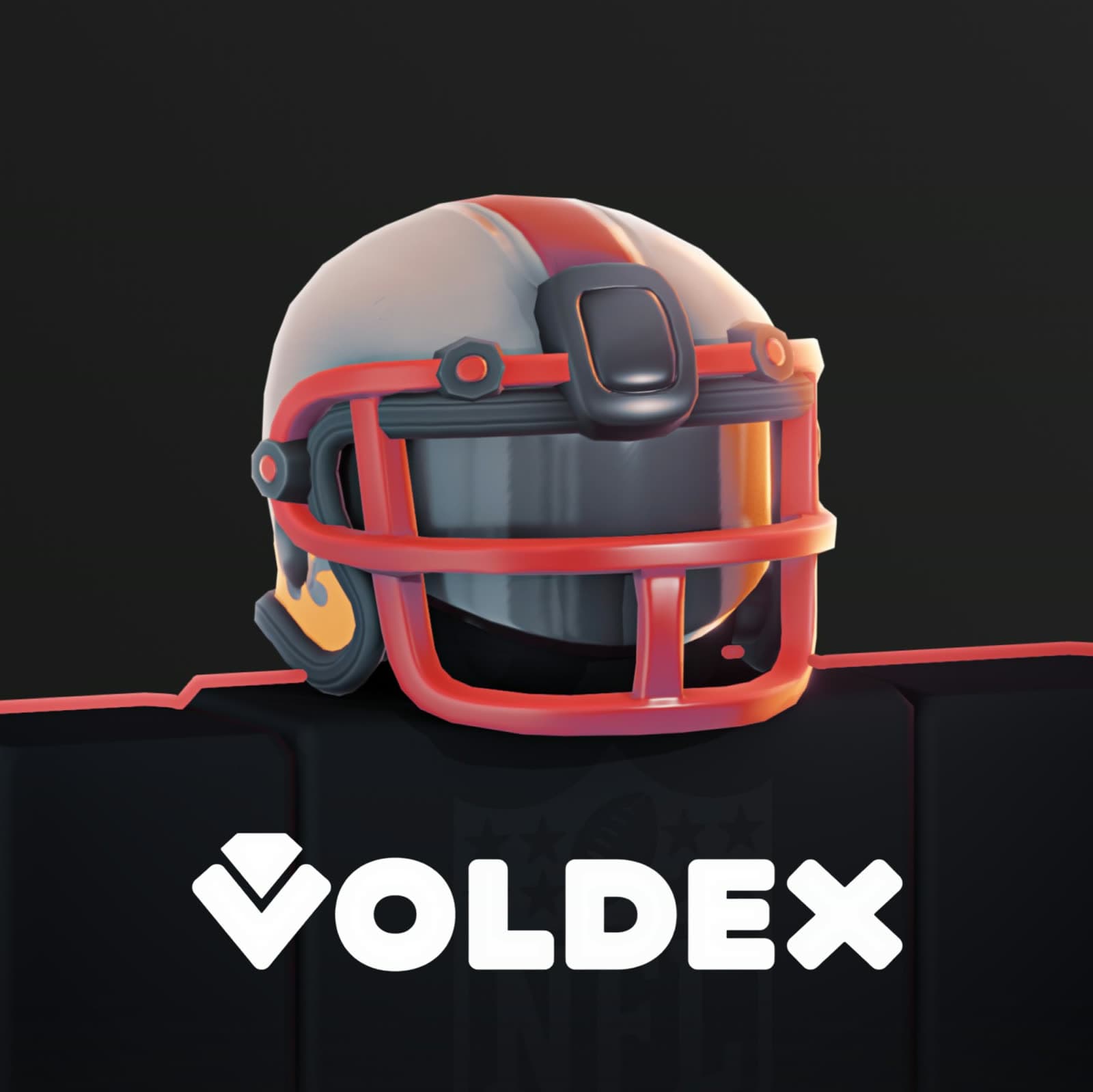
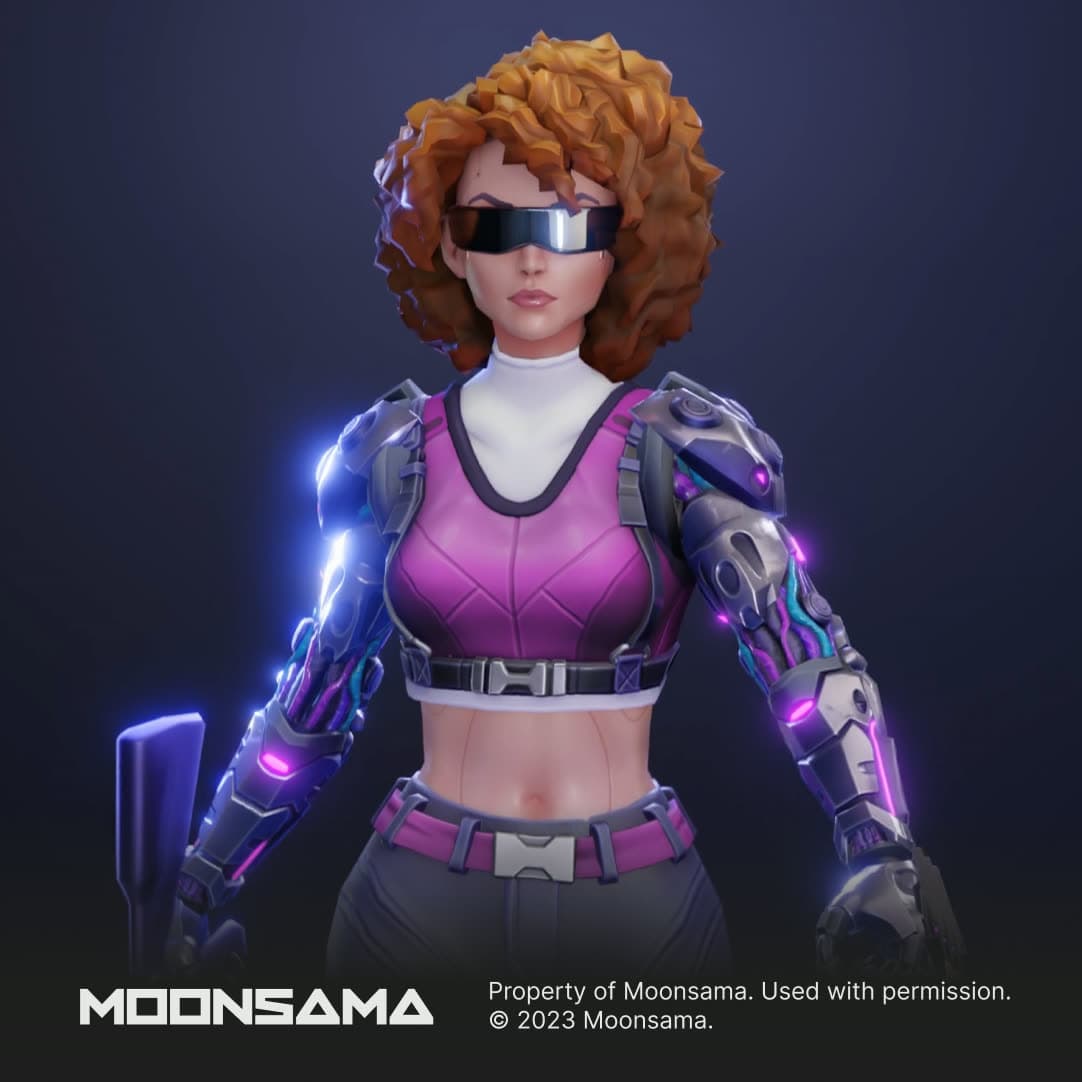
I'm the solo end of this. What separates me from a typical contractor is that I build the pipeline first, so the work keeps scaling after I've set it up — shared rigs, UV families, atlas rules, and the tooling around them. Smashline was designed and shipped solo in two weeks on a Roblox stack I built from scratch. The Voldex helmet system was a modular kit delivered solo in ~14 hours. At Moonsama I led three artists on a system that cut per-character time from two weeks to five days. If your bottleneck is pipeline, that's the seat I fill. If you genuinely need a studio's parallel throughput, I'll say so.
The work behind that claim
Common questions
- Is a solo specialist cheaper than a studio?
- Usually lower total cost, because there's no agency margin — but one person is bounded by their own hours. For a large volume of work in parallel, a studio can end up more cost-effective per asset. It depends on whether you're paying for a system or for sheer output.
- What if I need to scale up later?
- The pipeline I build is meant to be extended. Shared rigs, UV families and atlas rules let you add artists — or hand the system to a studio — without re-architecting from scratch. Setting it up so it scales is part of the job.
- Can you work alongside a studio we already use?
- Often, yes. A common fit is the pipeline or technical-art owner who sets the standards the studio's assets get delivered against, so their output stays consistent and on-budget.
- Full-time or contract?
- Either. I take select full-time roles and defined contract work. Send the brief and I'll tell you which makes sense.