Hire · Compare
Technical Artist vs 3D Generalist: Which Role Do You Need?
Short version
A 3D generalist makes the assets. A technical artist builds the systems and pipeline so those assets ship consistently and hit performance. Early on, with a handful of assets, a generalist is usually enough. Once content volume, performance ceilings or several artists enter the picture, a technical artist is what unblocks you.
At a glance
| Technical artist | 3D generalist | |
|---|---|---|
| Primary output | Pipelines, tools, rigs, shaders, performance budgets. | Finished models, textures and scenes. |
| Where they save time | Across every asset, by removing repeated work. | On the specific assets they make. |
| Performance ownership | Owns tri, texel and draw-call budgets and how to hit them. | Works to budgets someone else sets. |
| Scripting & tooling | Writes the tools (Python, C#, Luau) other artists use. | Uses tools; rarely builds them. |
| Effect on a team | Sets shared rules so many artists stay consistent. | Adds one more skilled pair of hands. |
| Best when | Content is scaling, performance is tight, or several artists need to align. | Early stage, small asset count, no pipeline pain yet. |
A check marks where one option tends to have the edge — not a verdict. The right call depends on your situation.
What actually separates them
Assets vs systems
This is the whole distinction. A 3D generalist produces the art — models it, textures it, lights the scene. A technical artist builds the systems that let art ship: the rig everything shares, the master materials, the export tooling, the performance budgets and the checks that keep them honest. One makes the assets; the other makes the assets repeatable.
The moment you outgrow a generalist
There are tells. Assets keep coming back for re-optimization. The same fix gets applied by hand on every model. Two artists deliver work that looks like it came from two studios. A build that ran fine starts blowing its draw-call budget as content piles up. None of that is a generalist failing at their job — it's the absence of a system, which is exactly the gap a technical artist fills.
Why a TA pays for itself at scale
A generalist's time saves you on the asset in front of them. A technical artist's time saves you on every asset that comes after — because the rule, the tool or the budget they set applies across the whole library. The more content you're shipping, the more that compounds, which is why the role earns its keep precisely when volume climbs.
Why you might not need one yet
If you're early — a small, fixed set of assets, performance that isn't a constraint, one person who can hold the entire art task in their head — a technical artist is overkill. Hire the generalist, ship the thing, and bring in pipeline thinking when the volume actually starts to hurt. Paying for systems you don't need yet is its own kind of waste.
You need a technical artist if
- Content volume is climbing and assets keep needing re-optimization.
- You're hitting performance ceilings — draw calls, texel density, tris.
- Several artists are producing work that doesn't line up.
- You're shipping across more than one engine.
A 3D generalist is enough if
- You're early, with a small and fairly fixed set of assets.
- Performance isn't a real constraint yet.
- One person can hold the whole art task in their head.
- There's no pipeline to maintain — just art to make.
Where I fit
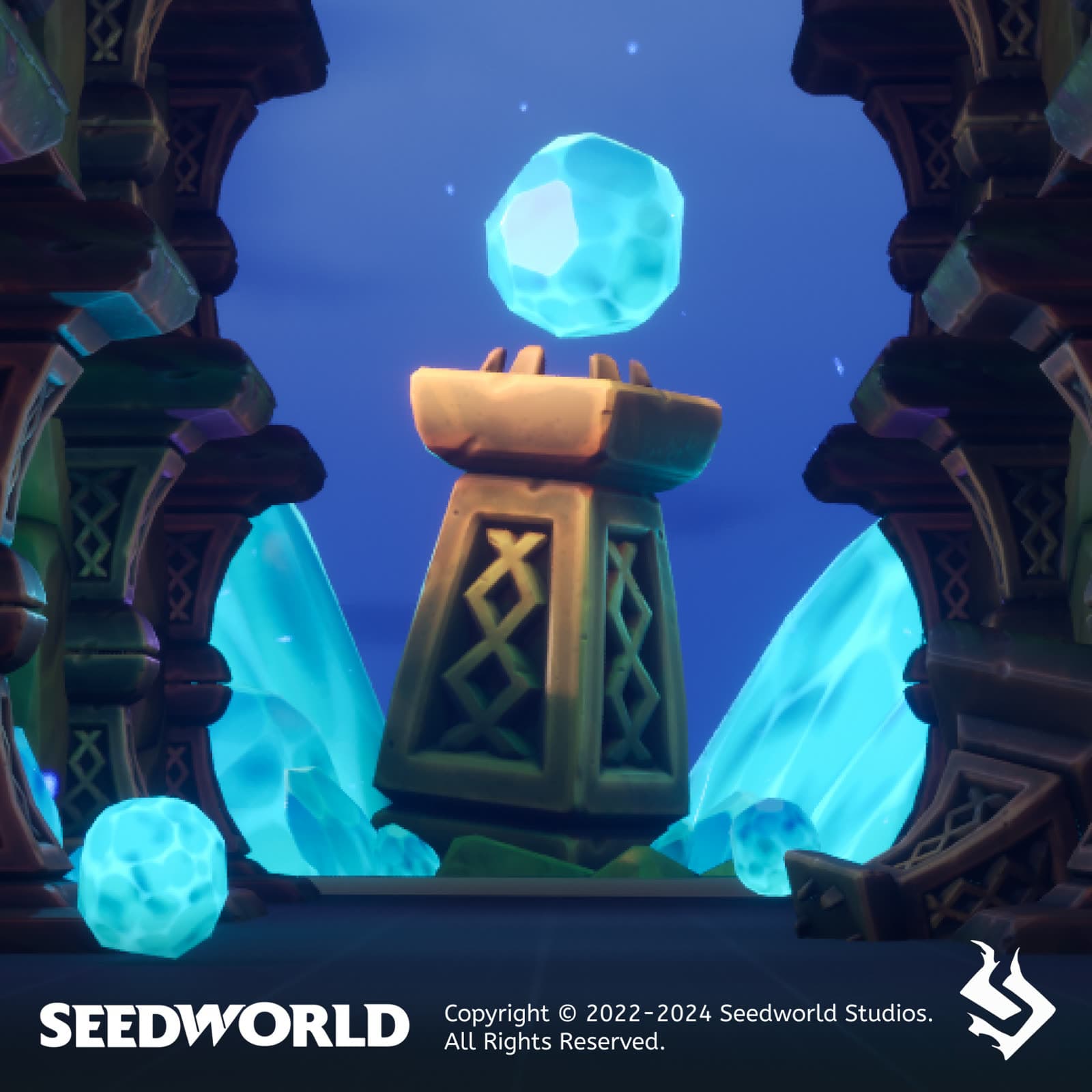
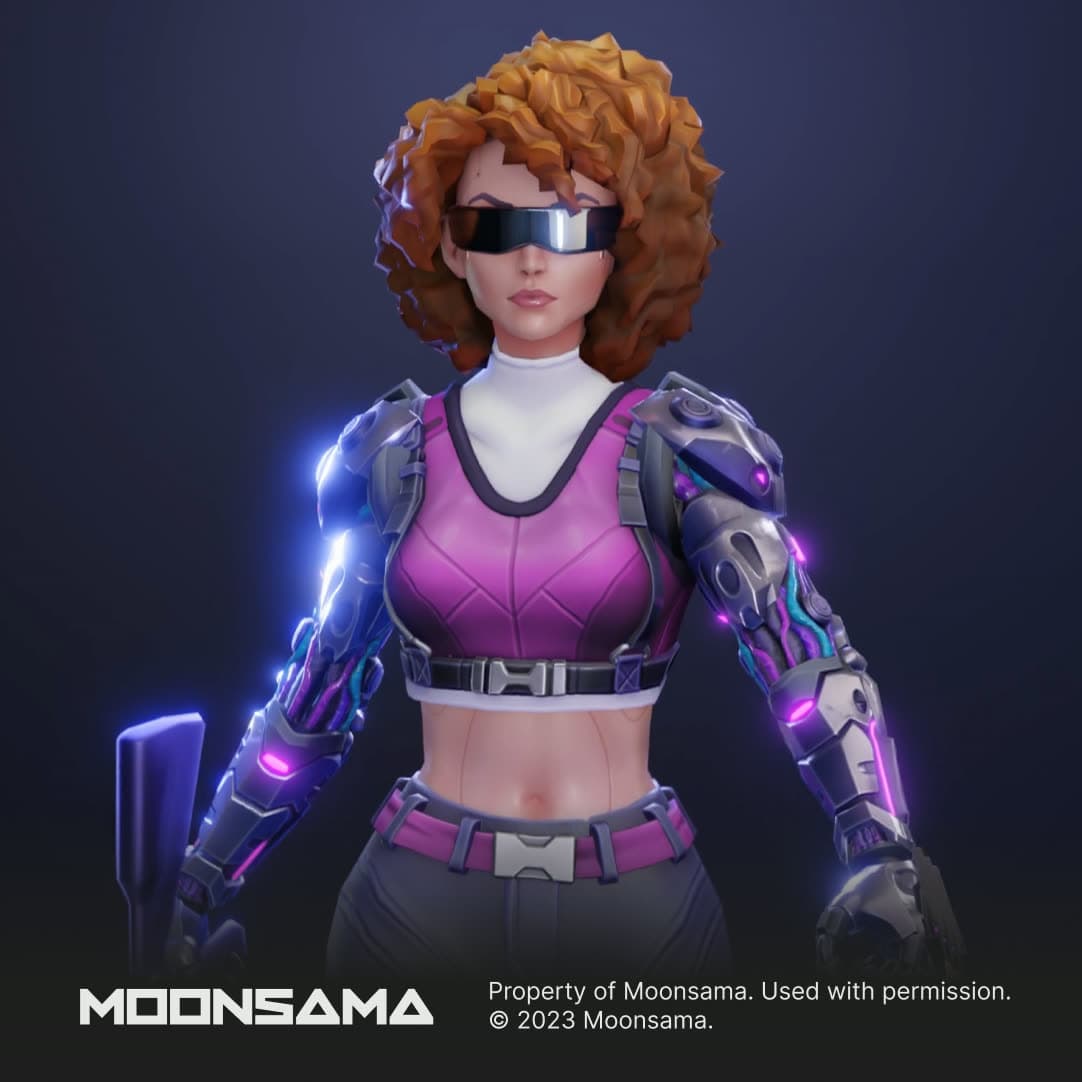
I do both, but I lead with the technical-artist side. I build the pipeline — shared UV families, atlas strategy, master materials and the tooling around them — and I also produce the game-ready art that runs through it. At Seedify, the job on Seedworld was literally setting the rules so content scaled without re-optimization passes. The modular avatar pipeline runs the same assets across Unity, Unreal and Roblox. So if you're not sure whether you need a generalist or a TA, I can start as the person making assets and grow into the one building the system as your volume does.
The work behind that claim

Common questions
- What's the simplest difference between a technical artist and a 3D artist?
- A 3D artist makes the assets. A technical artist builds the systems and tools that let those assets ship consistently and perform — the rigs, materials, export pipeline and performance budgets the art runs through.
- Do I need a technical artist for a small project?
- Probably not yet. If you've got a small, fixed set of assets and performance isn't biting, a generalist will serve you better and cost less. Bring in a technical artist when content volume or performance starts to hurt.
- Can one person be both?
- Yes — it's common on small-to-mid teams, and it's how I work. I produce the art and build the pipeline it runs through, so you don't need two hires to cover both.
- Which engines do you cover?
- Unreal, Unity and Roblox. The same pipeline thinking carries across all three, which is the point of building it as a system rather than per-project.